
Visible blood vessels, like spider veins and spider angiomas, are more common than many people realize. They can appear on your legs, face, or chest and often make you feel self-conscious, especially when they affect areas that are hard to cover. You might have tried creams or home remedies without success, leaving you frustrated and unsure about your options.
However, concerns of this nature can be effectively addressed and safely with a non-invasive treatment such as the advanced CryoPen from Cryosonic in Blackburn. Do You Know the Difference in CryoPen? Cryotherapy practitioners must understand how different lesions respond to treatment to set realistic expectations and outcomes.
What Are Spider Veins?
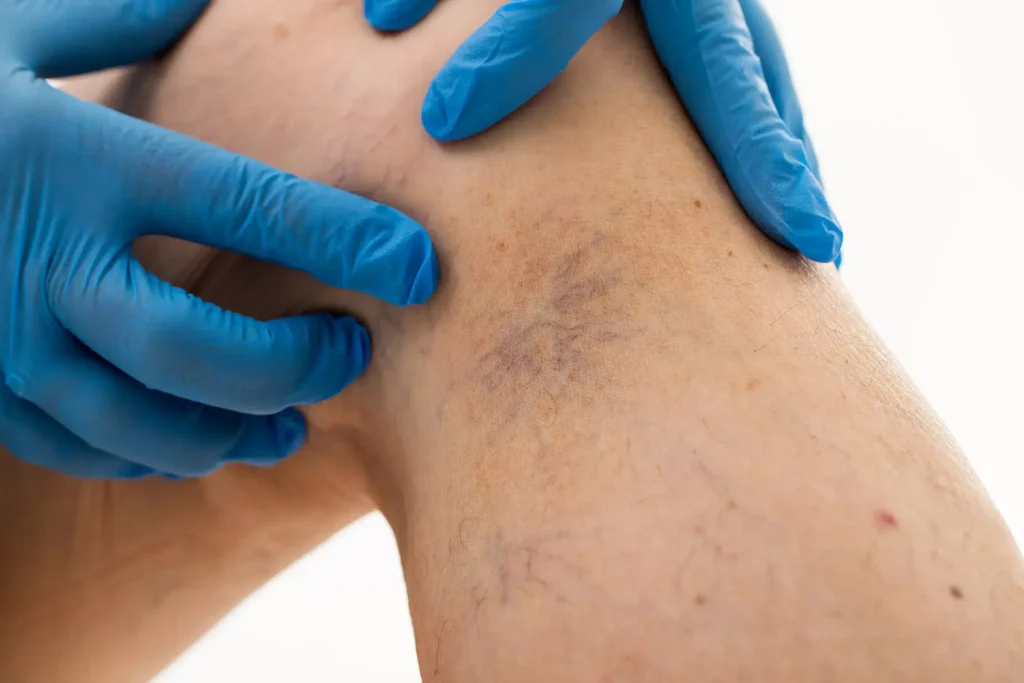
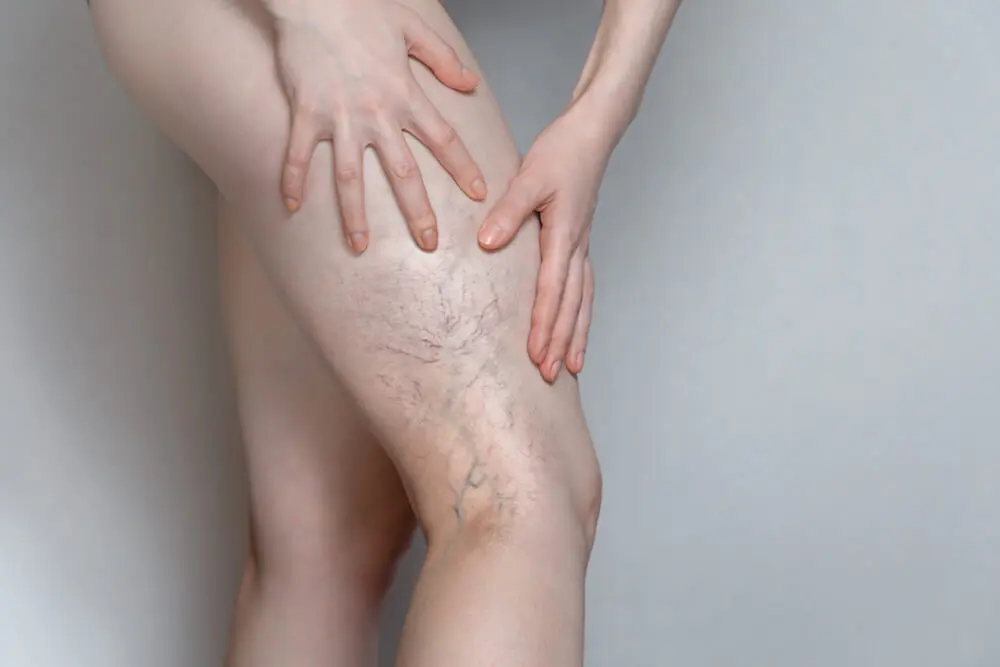
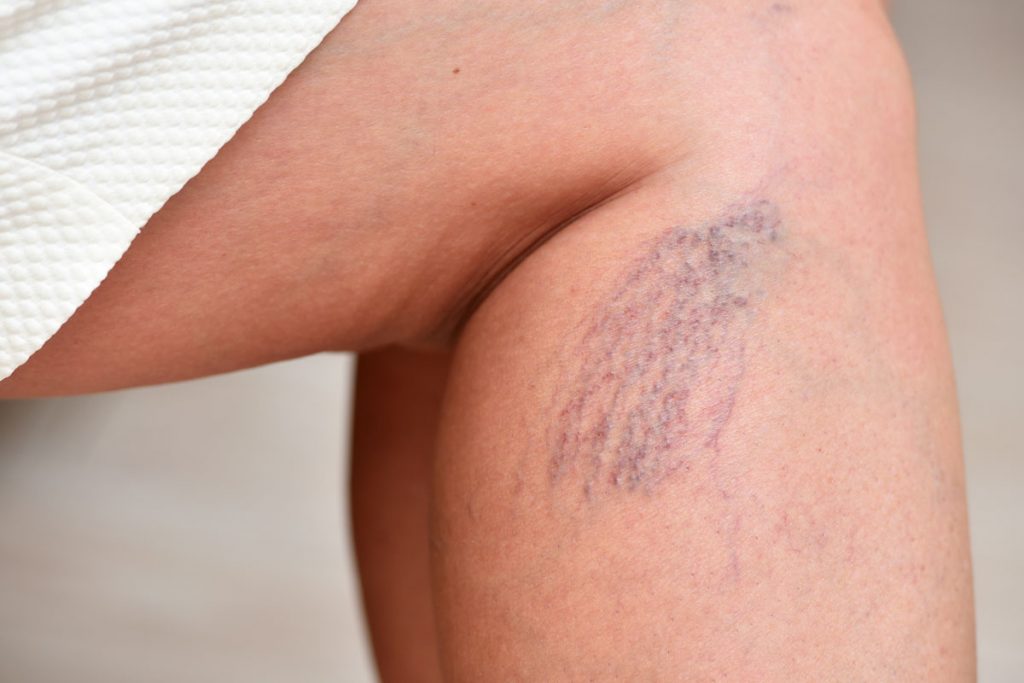
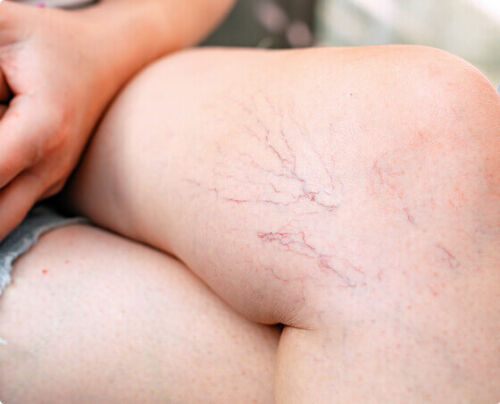
Spider veins are tiny, thread-like blood vessels that appear at or just under the skin surface (also known as telangiectasias). They are usually bluish, purple or reddish in colour and often located on legs or face. Common causes are hereditary, weak vein walls, standing for a long time, obesity, and much more hormonal changes.
Spider veins are usually harmless but can occasionally cause slight pain or itching. The Differences with CryoPen. Cryosonic in Blackburn targets these veins effectively & safely! Book your appointment online today
What Are Spider Angiomas?
Spider angiomas or spider nevi are small, red, star-shaped clusters of blood vessels. They most often appear on the face, neck, upper chest or arms. Hormones, pregnancy or liver disease are often associated with spider angiomas. They are mostly essentially painless, compared to spider veins.
Understanding the Differences in CryoPen helps Cryosonic Blackburn specialists choose the right method to remove these lesions with minimal risk of scarring. Check out: Cherry Angioma Removal Treatment.
How Can Professionals Distinguish Between Spider Veins and Spider Angiomas?
Differentiating between spider veins and spider angiomas is important for selecting the appropriate treatment.
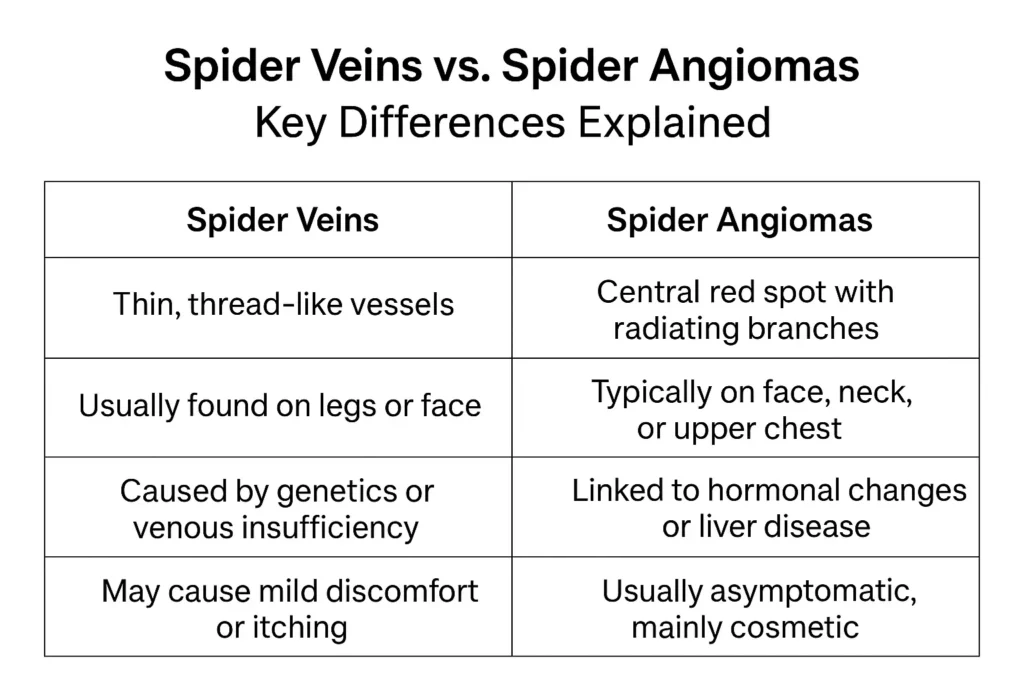
Spider veins (typically little blue or purple threadlike vessels most regularly located in the legs and correlating to circulation problems.
Spider angiomas are bright red and have short radiating branches from a central point, often associated with hormonal changes or liver conditions and are usually found on the face neck or upper chest.
Understanding the Differences in CryoPen allows Cryosonic specialists to select the most precise and safe approach for each lesion, ensuring optimal results with minimal risk to surrounding skin.
How Does Cryosonic CryoPen Work for Blood Vessels?
Cryosonic Blackburn CryoPen uses extreme cold to target and remove unwanted blood vessels precisely. Liquid nitrogen is delivered to the lesion, freezing the tissue, which then naturally dissolves and disappears over time. Understanding the Differences in CryoPen ensures that spider veins and spider angiomas are treated safely, focusing on the correct area for optimal results.
Why Is It Important to Understand CryoPen Differences?
Each vascular lesion requires a slightly different CryoPen approach. Understanding the Differences in CryoPen helps:
- Achieve optimal cosmetic results.
- Minimise skin damage or irritation.
- Reduce redness, swelling, or blistering.
- Ensure long-lasting effects
Cryosonic specialists evaluate each lesion’s type, size, and location to provide the most effective treatment plan.
How Should You Prepare for Cryosonic CryoPen Treatment?
Proper preparation improves results. Understanding the Differences in CryoPen beforehand allows you to follow guidance for safe and effective treatment:
- Get checked for all of the other problems — liver, hormones, etc.
- Skin care precautions: No sun or harsh products before the session.
- How treatment works: Treatments are relatively quick, but multiple treatments may be needed for large areas or larger lesions.
What Happens During and After Cryosonic CryoPen Treatment?
During the session, a Cryosonic Blackburn specialist applies the CryoPen to the targeted area. Patients may feel mild stinging or tingling. After treatment, the skin may show temporary redness or swelling, usually resolving within a few days.
In the case of spider veins, multiple sessions are often necessary, whereas for spider angiomas, fewer sessions are usually sufficient.
How Can You Maintain Results After Cryosonic Treatment?
Cryosonic makes it easy to keep results in Bedford. CryoPen assists patients in sticking to care advice for their condition:
- Sun Protection: Avoid exposure of treated areas to the sun.
- When it comes to your lifestyle: Work out the spider veins with exercises and raise your legs in order to improve blood circulation.
- Follow-ups: Early follow-ups are performed to monitor for any new lesions that might arise so that they will not spread.
FAQs
Q1: What is the difference between spider veins and spider angiomas?
The small dilated vessels are called spider veins, and the larger, central red spot with radiating branches also occurs mainly on the face or chest and spider angiomas.
Q2: Can CryoPen treat both conditions?
CryoPen is also specifically designed to target the vessels and eliminate them both for spider veins and spider angiomas with very little pain. See our full price list here.
Q3: Are spider veins or angiomas painful?
Most lesions are painless, though spider veins may cause mild itching or burning, and CryoPen treatment is generally well-tolerated.
Q4: How many CryoPen sessions are usually needed?
The number of treatment sessions required usually depends on the size and number of lesions, but most people notice good results after 1 to 3 sessions spaced a few weeks apart.
Q5: Can these lesions come back after treatment?
This means that while CryoPen does remove the visible lesion at the surface, new spider veins or angiomas may appear over time as any underlying predisposing factors remain untreated.
Final Thought
These vascular inclusions can also be treated using the Cryosonic CryoPen™, a safe, accurate, and minimally invasive treatment for spider veins & spider angiomas. To achieve the best results with standard cryo-needle use, however, it will require the right assessment.
With professional guidance, patients can achieve clearer, healthier skin while addressing cosmetic concerns or mild discomfort caused by vascular lesions. Cryosonic Blackburn provides expert care tailored to each individual for the best possible outcomes.
For further information, please get in touch with us today at 03300 100 392